





 +86 18310268158

Sheet Metal Parts: Types, Materials and How to Spec Them
Sheet metal parts are cut, bent or formed from flat sheet. They are the core of our business. Since 1999, our Nanpi factory has built 70,000+ different types. That volume taught us which spec lines prevent rework. This guide lists the types, the materials and the spec checklist. Use it the next time you send a drawing. One missing line costs one round of email.
What Is a Sheet Metal Part?
A sheet metal part starts as a flat blank. The blank is cut, then shaped. Shaping means bending, stamping, deep drawing or welding. The material stays the same through every step. That is why the spec matters so much. Thickness, grade and finish are declared once. They travel with the part after that. One wrong value is inherited by every downstream step.
Common Types of Sheet Metal Parts
| Type | Main process | Typical use |
|---|---|---|
| Flat laser-cut part | Laser | Panels, covers, brackets |
| Bent enclosure | Laser + bend | Cabinets, housings, trays |
| Stamped part | Press die | Clips, brackets, high volume |
| Deep-drawn cup | Draw die | Pans, shrouds, bowls |
| Welded assembly | Weld + fixture | Frames, chassis, supports |
Most real products mix two or three of these. A housing may be stamped, welded and bent in one build. The fold side is covered in our metal bending post. Naming the type early focuses the quote.
Materials We Run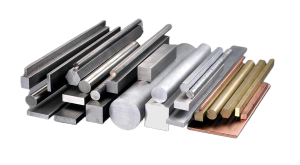
- Cold-rolled steel: the default for structure; best cost.
- Stainless 304/316: corrosion service, food and outdoor use.
- Aluminum: weight savings and heat dissipation.
- Galvanized sheet: pre-protected edges for mild service.
Material moves cost more than any single feature. Sheet metal parts that see moisture want stainless. Parts that see weight limits want aluminum. Always state the grade and the thickness. “Steel 2mm” is a complete answer only in some shops. Ours is one of them, but a wrong assumption still costs money. The full range we stock and source is on our materials commonly used page.
How the Parts Are Made
- Laser cutting: our 6kW laser handles fine detail and tight nests.
- Presses: 40+ units from 60T to 400T for stamping and forming.
- Deep drawing: cup shapes that bending cannot reach.
- Welding: fixture-based, not freehand, for repeatable joints.
- CNC: added for features outside the sheet process.
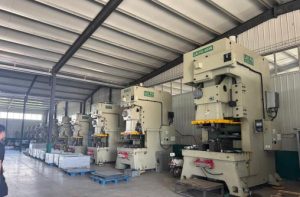
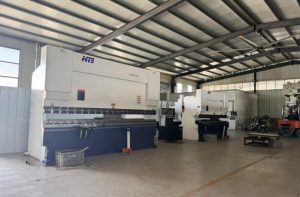
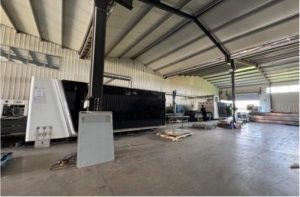
The process chain follows the geometry, not the other way around. Choosing between stamped and machined features is a die question. Our metal stamping die post explains the trade. The chain runs in one building, so the part never loses a record between steps.
Specs to Send for a Quote
- Drawing: STEP preferred, DXF for flat parts.
- Material grade and sheet thickness.
- Quantity per order, and expected volume per year.
- Tolerance on critical dimensions only.
- Surface finish or coating, if any.
Five lines, one reply. Our free sheet metal DFM review turns a rough file into these five lines. Send what you have; we list what is missing. That keeps the first quote honest.
Tolerances to Expect
General tolerance is loose; critical dimensions are tight. Mark the two apart on the drawing. A part marked fully tight costs more to inspect. It also scraps more on a bad day. Our default values are published in the sheet metal tolerance standards post. Use them as the baseline, then tighten only where function needs it.
What Costs Money
| Factor | Effect on price |
|---|---|
| Feature count | Each feature adds an operation |
| Sheet thickness | Thicker sheet needs bigger presses |
| Grade | 316 costs more than 304, more than carbon steel |
| Nesting | Tight nests cut material cost |
| Batch size | Volume amortizes the setup |
| Finish | Coating adds a step and a check |
Three of these rows are in your control before the quote. Feature count, nesting and batch size. Move them first; the price follows the geometry.
Frequently Asked Questions
What is a sheet metal part?
A part cut, bent or formed from flat sheet. Common types include laser-cut panels, bent enclosures, stamped brackets and welded frames.
What materials do you use?
Cold-rolled steel, stainless 304 and 316, aluminum and galvanized sheet. The grade and thickness go in the quote, stated.
What drawing file do you need?
STEP for 3D parts, DXF for flat parts. A fully dimensioned PDF works for simple pieces.
What tolerance do you hold by default?
Defaults are published by process. Mark critical dimensions for tighter control; we hold those first.
Can you make small batches?
Yes. Laser and bend work well from a few pieces. Stamping makes sense at volume; we will say which fits your numbers.
Spec Your Sheet Metal Part
Send your drawing — a real quote in one day.
WhatsApp: +86 183 1026 8158 | Email: alina@xinjiuxinji.com
Or request a quote online.


