


 +86 18310268158
Metal Casting, Do You Want to Know About This?
What is Metal Casting?
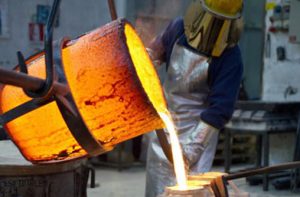
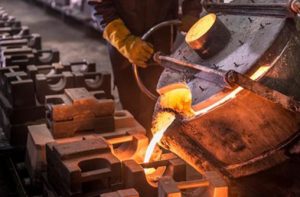
Metal casting is a manufacturing process in which molten metal is injected into the mold cavity. After cooling and solidification, the desired-shaped parts are obtained.
The following is a brief introduction to four mainstream metal casting processes, which will help you quickly understand their characteristics and applicable scenarios:
1.Sand casting
- Features: Uses sand molds, offering the lowest cost and the widest adaptability.
- Applications: From single pieces to large quantities, with an extremely wide size range (from a few grams to hundreds of tons), and for parts with relatively complex structures, such as machine base and engine cylinder block.
2. Investment casting (wax casting)
- Features: A ceramic shell is made using a wax mold, resulting in high precision, complex details, and excellent surface quality.
- Applications: Suitable for extremely complex-shaped, high-precision small to medium-sized parts, such as aerospace components, gears, and hardware accessories.
3. Casting
- Features: Molten metal is injected into steel molds under high pressure and high speed, resulting in high production efficiency and stable dimensions.
- Applications: Suitable for large-scale production of thin-walled, complex-structured non-ferrous alloy precision parts, such as car bodies and components for 3C products.
4. Metal mold casting (permanent mold casting)
- Features: Utilizes reusable metal molds, resulting in fast cooling of the castings, dense structure, and excellent mechanical properties.
- Applications: Suitable for small- to medium-batch production and for parts with high mechanical performance requirements, such as automotive wheels, pistons, and hydraulic components.
Selection suggestions:
The choice of process depends on the part’s complexity, the material, the batch size, the precision requirements, and the cost budget. Our engineering team can, after receiving your drawings, combine your needs with the above-mentioned process characteristics to recommend the most cost-effective manufacturing solution.
—————————————————————————————————————————————————————————————————————-
Advantages and Disadvantages of Metal Casting
Advantages of metal casting
- Strong forming ability: It can produce complex-structured, one-piece cavity parts.
- Wide material applicability: Suitable for cast iron, aluminum alloy, cast steel, etc.
- High batch economy: When producing in large quantities, mold costs are evenly distributed, reducing per-piece manufacturing costs.
- Wide size range: It can produce a wide range of parts, from small precision parts to large, heavy-duty parts.
The disadvantages of metal casting
- High initial investment and long cycle
- Greater tolerance compared to machining
- The surface requires subsequent processing to achieve higher precision and smoothness.
- Inflexible in design changes: Once the mold is completed, the cost of changing the design is very high.
Regarding the above weaknesses, how did we address them?
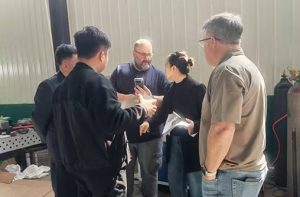
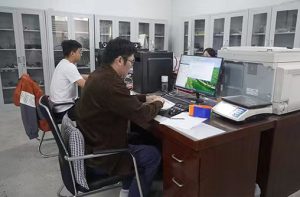
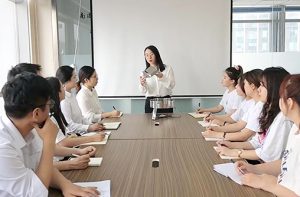
- The engineering team offers free project design optimization services, optimizing the design from the very beginning to enhance processability and reduce costs.
-
- design optimization
- Given the limitations of the casting process in terms of precision and surface quality, we have integrated surface treatment to ensure fine processing from raw material to finished product.
It delivers one-stop service from raw materials to finished parts, effectively compensating for the shortcomings of a single process.
—————————————————————————————————————————————————————————————————————-
How to Select a Metal Casting Service Provider
To ensure the quality, cost, and delivery time of the project, it is recommended to evaluate the metal casting suppliers from the following aspects – this is precisely our core strength.
1.Experience and professional accumulation
The suppliers’ industry expertise and project cases are of great significance. Since our establishment 20 years ago, we have provided services to OEM buyers across the EU, the US, Australia, New Zealand, Southeast Asia and the Middle East.
2. Technical capabilities and process integrity
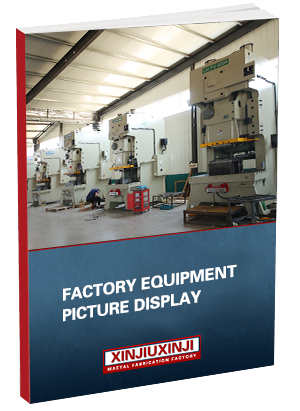
We integrate casting, sheet metal processing, CNC machining, and surface treatment. We achieve full-process independent processing of parts from incoming steel sheet and coil to finished, inspected parts, ensuring controllable quality and delivery time.
3. Design integration with support and services
Our professional engineers offer you free design optimization services covering drawings, material selection, processes, and costs, helping you reduce costs and increase efficiency.
4. Production capacity and quality system
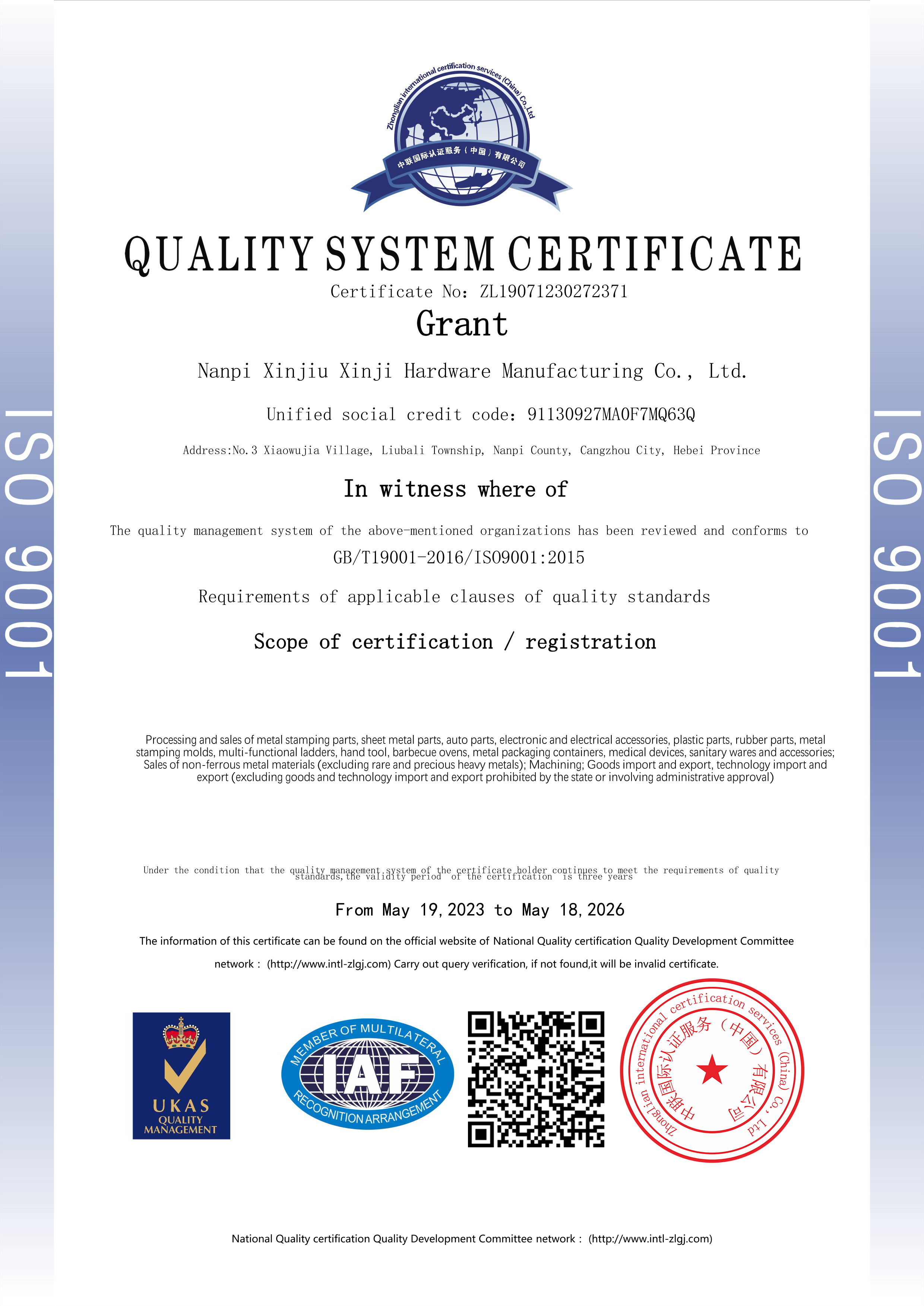
We have a 9,000-square-meter self-owned factory with a monthly production capacity of over 50,000 units. It has obtained ISO 9001:2015 certification and offers batch inspection services.
5. Service and delivery assurance

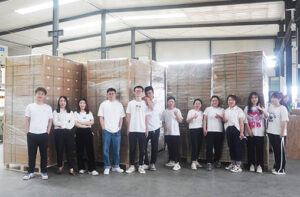
Our business team offers:
- Pre-sales: In-depth communication, precise understanding of your needs and application scenarios.
- In-process: Full monitoring of the production progress, regular reporting, and control of the delivery time.
- After-sales: Follow-up on feedback, quick problem-solving, and elimination of concerns.
With over 10 years of export experience, we arrange international logistics to ensure goods are delivered safely and on time.
——————————————————————————————————————————————————————————————————————-
You can contact us in three ways:
- Click the Contact Us form to submit your request.
- Email: alina@xinjiuxinji.com
- WhatsApp: +86 18310268158
We can customize nearly any metal product. So if you have a metalworking project! Please send us your drawings and our engineers will provide you with a quote within 8 hours.